McLean Demolition brings 14 years of licensed demolition experience to Centreville and the surrounding Sully District. We handle residential teardowns, interior selective demolition, land clearing, and excavation for homeowners and developers across Fairfax County.
Our crew coordinates every Fairfax County DEMOR permit through the PLUS system so your project starts on schedule. We understand Centreville's clay soils, its mix of 1970s–1980s residential stock, and the HOA approval requirements common in Sully District communities.
From a single-room gut to a full-structure teardown on Lee Highway, we show up on time, pull the permit, and leave the site clean. Call us today for a free on-site estimate.
McLean Demolition provides residential, interior, land clearing, and excavation services throughout Centreville and the Sully District.
Centreville's residential stock spans from 1970s ranch homes in the Centreville Historic District corridor to newer two-story colonials in Sully District subdivisions. Full house teardowns in Centreville typically run $9,400–$19,800 depending on square footage, foundation type, and site access for equipment.
We pull the Fairfax County DEMOR permit through the PLUS system, notify Dominion Energy and Washington Gas for utility disconnects, and schedule the Virginia 811 dig-safe call before any equipment touches the site. Clay-rich Fairfax County soils can slow foundation removal, and we factor that into our estimates upfront.
Structures built before 1980 in Compton Village and the historic core may contain asbestos-containing materials including floor tile, pipe insulation, and roofing felt. Our crews conduct or coordinate pre-demolition ACM surveys and handle abatement separately before structural work begins, keeping your project compliant with Fairfax County and EPA NESHAP requirements.
Interior demolition is one of the most common requests we receive in Centreville as 30–40 year old homes enter renovation cycles. Homeowners in Compton Village, Greenfield, and Centreville Farms are opening up kitchens, converting basements, and removing partition walls as part of full renovations. Interior demo runs $2–$8 per square foot depending on the extent of work and material handling needs.
We protect occupied rooms with poly barriers and negative-pressure dust containment. Load-bearing walls are identified before any framing is touched, and structural engineers are engaged when required by the scope. Our crews remove drywall, flooring, cabinetry, and non-structural framing cleanly, leaving your contractor a clear workspace.
Pre-1980 homes in the Centreville Historic District and Lee Highway corridor frequently contain asbestos floor tiles and pipe wrap insulation. We test suspect materials before disturbing them and handle any required abatement in-house, so you work with one contractor from assessment through clean demo rather than coordinating multiple specialty subs.
Land clearing in Centreville ranges from overgrown residential lots in Union Mill to larger parcels along Route 29 being prepared for new construction. Pricing typically runs $3,000–$6,155 per acre depending on tree density, brush thickness, and whether stumps must be ground or extracted for construction.
Fairfax County requires a Land Disturbance Permit for most clearing projects disturbing more than 2,500 square feet, and a site erosion and sediment control plan is required as part of the PLUS permit application. We prepare or coordinate that documentation and install silt fencing and inlet protection before clearing begins.
Centreville's Piedmont clay soils retain moisture and can be slow to stabilize after clearing. Our crews grade cleared areas to positive drainage and can install temporary seeding or erosion matting to meet Fairfax County grading permit conditions, keeping your project from sitting in violation while you finalize construction plans.
Excavation in Centreville runs $240–$420 per hour and includes backhoe or excavator time, operator, and standard loading into haul trucks. Fairfax County clay soils compact poorly and expand when wet, which can affect trench stability and footing dimensions. We use properly sized equipment for each site to avoid over-excavation while maintaining safe working conditions.
Common excavation projects in Centreville include new foundation holes for additions, basement waterproofing excavations, pool removal backfill, and utility trench work supporting older plumbing replacements in 1970s-era homes. Site grading after excavation typically runs $1,300–$5,600 depending on volume and finished grade requirements.
Sully District HOA communities sometimes have restrictions on equipment access routes and hours of operation. We review HOA rules and coordinate with property owners before scheduling heavy equipment arrivals so you are not surprised by community management complaints mid-project.
McLean Demolition works across all of Centreville's neighborhoods and adjacent areas. In Compton Village and Centreville Farms, we handle residential teardowns and interior demo for homes built in the 1980s that are entering major renovation cycles. The Lifestyle at Sully Station community and broader Sully District have active HOA review processes, and we provide project documentation to HOA architectural review boards before pulling Fairfax County permits.
Along the Lee Highway and Route 29 corridor, commercial property owners hire us for interior selective demolition as retail and office spaces are reconfigured. Older commercial buildings in this corridor require pre-demo ASHRAE 100 hazardous material surveys, and we coordinate that assessment before any commercial work begins. The Greenfield and Union Mill areas have a mix of residential and light commercial properties, and we bring the same licensed, permitted approach to every project regardless of size.
The Centreville Historic District presents unique considerations. While the historic overlay primarily governs exterior alterations to contributing structures, we work with property owners to understand which review processes apply before submitting permit applications to Fairfax County Land Development Services. Our experience across Fairfax County means we know when a pre-application meeting with LDS is worth the time and when a straightforward DEMOR submittal is all that is needed.
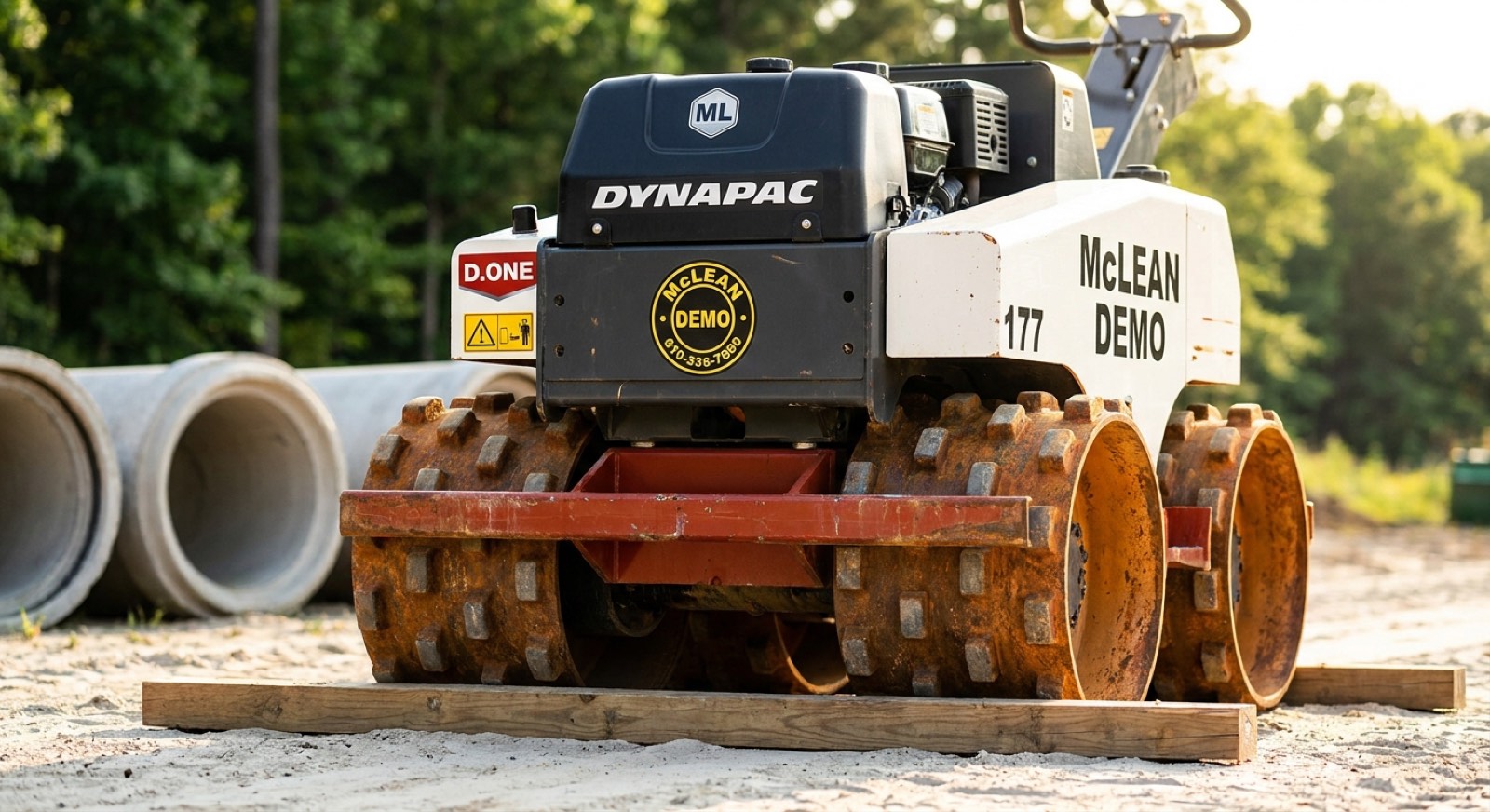
McLean Demolition handles every step from permit to final grading. Here is what the process looks like for a typical Centreville demolition project.
We visit the site in Centreville, measure the structure or scope, identify any hazardous material concerns, and confirm equipment access. Estimates are typically completed within 1–2 business days of the site visit, and we walk you through the scope, timeline, and pricing before any commitment is made.
We prepare and submit the Fairfax County DEMOR permit through the PLUS online system and coordinate utility disconnect scheduling with Dominion Energy, Washington Gas, and Fairfax Water. This phase typically takes 3–10 business days depending on LDS review volume. Sully District HOA communities may require board approval first, and we provide the documentation needed for that review.
Once permits are issued and utilities are confirmed off, our crew mobilizes to the Centreville site. A typical single-family residential teardown takes 1–3 days for structure removal plus 1 additional day for grading and cleanup. Debris is loaded into haul trucks and taken to licensed Fairfax County transfer stations. Debris removal runs $100–$800 per truckload depending on material type.
After debris is removed, we grade the site to positive drainage, ensuring water moves away from the foundation footprint or toward the storm drainage system. Fairfax County LDS performs a final demolition inspection, and we coordinate that scheduling. You receive a clean, graded site ready for your next phase within the project timeline we set at the estimate.
Prices below reflect typical Centreville and Fairfax County market rates. Final cost depends on structure size, site conditions, permit fees, and material types. Call (571) 506-2219 for a free written estimate.
| Service | Price Range | Unit | Notes |
|---|---|---|---|
| Full House Demolition | $9,400–$19,800 | Per structure | Includes haul-off; foundation removal quoted separately |
| Interior / Selective Demolition | $2–$8 | Per sq ft | Dust containment and debris removal included |
| Excavation | $240–$420 | Per hour | Operator and machine; haul trucks billed separately if needed |
| Site Grading | $1,300–$5,600 | Per project | Final grade to positive drainage; erosion control extra |
| Land Clearing | $3,000–$6,155 | Per acre | Tree felling, brush removal, stump grinding; disposal included |
| Concrete Demolition | $2–$6 | Per sq ft | Driveway, slab, or flatwork; rebar recycling included |
| Driveway Removal | $1,200–$4,500 | Per project | Concrete or asphalt; pricing depends on thickness and area |
| Deck / Patio Removal | $2–$5 | Per sq ft | Wood or composite deck; concrete patio priced as concrete |
| Shed Demolition | $300–$1,500 | Per structure | Wood, metal, or vinyl; concrete slab removal billed separately |
| Asbestos Abatement | $5–$20 | Per sq ft | Licensed abatement; required in pre-1980 Centreville homes |
| Pool Full Removal | $7,000–$16,000 | Per pool | Concrete or gunite; backfill, compaction, and grading included |
| Debris Removal | $100–$800 | Per truckload | Licensed disposal at Fairfax County transfer facilities |
With 600 completed projects across Fairfax County and Northern Virginia, McLean Demolition has the local knowledge, licensing, and crew depth to execute demolition projects in Centreville from permit to final grade.
Centreville sits in western Fairfax County on soils that transition between the Piedmont upland and the outer suburbs of the Washington metropolitan area. The clay-dominant soils throughout Centreville — classified as Cecil and Appling series in most of the Sully District and older neighborhoods — present specific challenges for excavation and foundation work. Clay expands when wet and contracts in dry conditions, which can complicate trench stability during utility work and affect the bearing capacity readings that guide new construction after a teardown. Our equipment operators are experienced with Fairfax County clay behavior and know when to adjust dig depths and trench widths to maintain safe working conditions.
The residential stock in Centreville spans roughly five decades. The oldest homes in the Centreville Historic District core and along Lee Highway date to the 1950s and 1960s, while the bulk of Compton Village, Greenfield, and Centreville Farms was built in the 1970s and 1980s. Homes constructed before 1980 have a meaningful probability of containing asbestos-containing materials. The most common ACMs we encounter in Centreville residential work include 9x9 and 12x12 vinyl floor tiles with associated black mastic adhesive, pipe insulation on steam and hot water heating systems, vermiculite attic insulation, and roofing felt. Before any interior demolition or full-structure teardown in a pre-1980 Centreville home, we conduct or coordinate a pre-demolition ACM survey and handle abatement under a Virginia DPOR-licensed firm before structural demolition proceeds.
Sully District HOA communities add a layer of process to exterior demolition projects. Communities like Lifestyle at Sully Station and other Sully-area HOAs require architectural review board approval before any exterior alteration or demolition can begin. That approval must be obtained before the Fairfax County LDS permit application is submitted. We have worked with numerous Sully District HOA boards and know the documentation package these boards expect — site plans, scope descriptions, equipment access maps, and project timeline summaries. Getting HOA approval right the first time prevents the permit delays that come from missing that step.
The Lee Highway and Route 29 commercial corridor generates a distinct category of work. Commercial buildings along this corridor are subject to Fairfax County DEMOC permit requirements rather than the residential DEMOR. Additionally, older commercial structures are subject to ASHRAE 100 pre-demolition hazardous material surveys, which must be completed before permit application and scope confirmation. The survey may identify not just asbestos but also lead-based paint, PCB-containing caulk, and mercury-containing equipment that require specialized handling. McLean Demolition coordinates these surveys early in the project timeline so commercial clients are not surprised by abatement costs after the project is already committed.
Permit timelines through Fairfax County LDS vary by project complexity and current review volume. Straightforward residential DEMOR applications for single-family structures typically move through PLUS in 5–10 business days. Projects involving historic review, variance requests, or commercial DEMOC permits take longer. We set realistic permit timeline expectations at the estimate stage and provide status updates as LDS review proceeds, so you can coordinate your contractor schedule around confirmed permit issuance dates rather than assumptions.
McLean Demolition works regularly throughout Centreville and the surrounding Sully District. Here are the neighborhoods and corridors where we most frequently complete residential, interior, land clearing, and excavation projects.