McLean Demolition is a Class A DPOR-licensed demolition contractor serving Woodbridge, Virginia with residential demolition, commercial demolition, interior selective demolition, excavation, and site preparation throughout Prince William County. We manage every phase from Prince William County Office of Building Development Services permit coordination through final site grading, with crews experienced in Woodbridge's diverse mix of older Dale City communities, large HOA developments in Lake Ridge, and the active commercial corridor along Route 1.
Woodbridge covers a large geographic area in eastern Prince William County with substantial variation in housing stock, neighborhood character, and permit requirements across its communities. Dale City, one of Northern Virginia's largest planned communities developed in the 1960s and 1970s, contains thousands of ranch and colonial homes now 50 to 60 years old with known asbestos-containing material risks. Lake Ridge is a large HOA community with association review requirements. Belmont Bay near Occoquan offers newer mixed-use waterfront development with different site conditions driven by proximity to the Occoquan River.
McLean Demolition coordinates all Prince William County Office of Building Development Services permit requirements for Woodbridge demolition projects and understands the specific HOA, ACM, and soil conditions that vary across Woodbridge's diverse communities. Call (571) 506-2219 for a free on-site estimate anywhere in Woodbridge or eastern Prince William County.
McLean Demolition provides residential demolition, commercial demolition, interior demo, and excavation throughout Woodbridge and Prince William County.
Woodbridge's residential demolition market is driven largely by the aging housing stock in Dale City, where thousands of ranch and colonial homes built in the 1960s and 1970s are now reaching the point where renovation cost exceeds replacement value for owners who want a modern, code-compliant home. McLean Demolition provides complete structural demolition for Woodbridge homeowners throughout Dale City, Marumsco, Neabsco, and surrounding communities, with full permit coordination through the Prince William County Office of Building Development Services.
We handle all utility disconnections with Dominion Energy, Washington Gas, and the serving water utility before any structural work begins, and we conduct a pre-demolition ACM assessment on all Woodbridge homes built before 1985 as a condition of our contract. Dale City homes from the early development period present consistent asbestos risks that must be assessed and addressed before demolition can proceed, and skipping this step creates regulatory liability for both the contractor and the homeowner.
Full house demolition in Woodbridge typically runs $9,400 to $19,800 depending on structure size, foundation type, and whether asbestos abatement is required before structural work can begin. Lake Ridge HOA requires association approval before any demolition permit application is filed, which we manage as part of the project coordination process.
Interior selective demolition in Woodbridge is in consistent demand as homeowners throughout Dale City, Lake Ridge, Rippon Landing, and Belmont Bay gut original kitchens, bathrooms, and finished basements. McLean Demolition provides complete interior gut-out services throughout Woodbridge, including drywall removal, flooring tearout, fixture removal, ceiling demolition, and partition wall takedown, with all debris hauled to licensed disposal facilities as part of every interior demo contract.
The Dale City housing stock from the 1960s and 1970s presents the most significant ACM risk in Woodbridge. Nine-inch by nine-inch and twelve-inch by twelve-inch vinyl floor tiles are found in nearly every Dale City home from this era, and the black cutback mastic adhesive beneath them almost universally contains chrysotile asbestos. Pipe wrap insulation on basement heating lines and textured ceiling coatings in living areas are also common ACM locations in these homes. McLean Demolition requires a licensed asbestos inspection before any interior gut-out work begins in Dale City homes.
Interior demolition in Woodbridge runs $2 to $8 per square foot depending on scope and material types. A kitchen gut-out in a Dale City colonial typically runs $3,500 to $6,500, with abatement costs adding $1,200 to $3,500 when ACMs are confirmed. We coordinate with your general contractor or renovation team on sequencing to maintain the overall renovation schedule.
Woodbridge's commercial corridor along Route 1 and Prince William Parkway includes retail centers, strip malls, restaurants, and light industrial properties that periodically require commercial interior demolition for tenant improvements or full structural demolition for redevelopment. The Potomac Mills area, with its significant retail and commercial concentration, also generates commercial demo demand as older anchor and inline retail spaces are reconfigured or demolished for new development.
Commercial demolition in Woodbridge requires a comprehensive hazardous materials survey before any structural or interior work begins to identify ACMs in commercial-era ceiling tiles, floor tiles, pipe insulation, and spray-applied fireproofing that may be present in buildings along Route 1 built during the 1970s through 1990s. McLean Demolition coordinates commercial hazmat surveys with licensed industrial hygienists, manages abatement coordination for confirmed ACMs, and files the Prince William County Office of Building Development Services commercial demolition permit before any work begins.
Commercial demolition costs in Woodbridge follow the same market rates as the broader Northern Virginia commercial market. Interior commercial demo runs $2 to $8 per square foot depending on scope and material type. Full structural commercial demolition is priced on a per-project basis after site assessment, typically ranging from $15,000 to $60,000-plus for smaller commercial structures depending on size and site conditions.
Excavation work in Woodbridge presents one of the most challenging soil conditions in McLean Demolition's service area. Lower elevation areas in Woodbridge near the Occoquan River and Neabsco Creek contain marine clay deposits from the Potomac Formation, a highly plastic clay with very low bearing capacity when wet. These marine clays expand and contract dramatically with moisture changes, require dewatering during excavation in wet conditions, and demand careful compaction sequencing during backfill operations to prevent future settlement.
McLean Demolition's excavation operators are trained to identify and respond to marine clay conditions during excavation work in Woodbridge. Equipment selection for Woodbridge excavation projects prioritizes track-type machines with wide shoes that distribute load across the soft clay surface, and dewatering pumps are staged on site before excavation begins in low-lying areas near the river system where groundwater is close to grade. Foundation removal, pool demolition backfill, and site preparation work in lower Woodbridge require more planning time than comparable work on competent soils.
Excavation in Woodbridge runs $240 to $420 per hour depending on equipment size and soil conditions encountered. Site grading following demolition and excavation runs $1,300 to $5,600 depending on the area to be graded and the fill material volumes required. Compaction testing is included in all backfill operations on Woodbridge excavation projects.
Woodbridge encompasses one of Northern Virginia's most complex demolition landscapes in a single jurisdiction. Dale City, developed from 1961 through the early 1980s by Interstate General as one of the largest planned communities in the United States at the time, produced a stock of thousands of ranch homes, colonials, and split-levels that now constitute the primary market for residential demolition in eastern Prince William County. These homes were built in multiple phases along the Neabsco Creek and Occoquan River watershed, and the older Dale City sections along Minnieville Road, Davis Ford Road, and Prince William Parkway contain the highest concentration of mid-century homes with confirmed ACM risks in the county.
Lake Ridge is a completely different character from Dale City, a large HOA-governed community developed from the 1970s through the 1990s along the Occoquan Reservoir that has its own association review process for exterior modifications. Lake Ridge Community Association requires written approval from the association before any permit application for demolition or exterior modification work is filed with Prince William County. McLean Demolition provides all documentation needed for Lake Ridge association submissions and coordinates the HOA and Prince William County permit timelines to minimize delays on Lake Ridge projects.
The commercial development along Route 1 and Potomac Mills represents a significant secondary demolition market in Woodbridge. Older retail and commercial structures along the US-1 corridor from Occoquan through Woodbridge proper include buildings from the 1960s through 1980s that require hazmat surveys before any interior or structural demo work. The Potomac Mills regional mall and surrounding retail development along Prince William Parkway also generates commercial demo demand as retailers reconfigure and redevelop space in the region's largest retail concentration.

McLean Demolition manages every step from permit to final grading. Here is what the process looks like on a typical Woodbridge residential or commercial demolition project.
We visit your Woodbridge property within 24 to 48 hours, assess the structure and site conditions, flag any HOA approval steps needed for Lake Ridge properties, and identify any marine clay or drainage conditions that will affect excavation or grading scope. Most Woodbridge estimates take 30 to 45 minutes and include a written quote covering all scope items, permit fees, and haul-off.
For Lake Ridge properties, we provide all Lake Ridge Community Association documentation for the association review submission before filing the Prince William County permit application. After HOA approval is received, we file with the Prince William County Office of Building Development Services and coordinate utility disconnections. Prince William County permit review typically takes 2 to 4 weeks from a complete application.
On all Woodbridge homes built before 1985, we require a licensed asbestos inspection before any interior or structural demo begins. We install required erosion and sediment controls per Prince William County requirements, deploy dewatering equipment as needed for low-lying Woodbridge sites near the Occoquan and Neabsco drainages, and pass the required pre-demolition inspection before mobilizing demo equipment.
Our crew completes the structural demolition or selective removal, hauls all debris to licensed disposal facilities, and grades the site to the agreed finished elevation. Compaction testing is included on all backfill operations in Woodbridge given the marine clay conditions in lower portions of the project area. A typical full residential teardown in Woodbridge takes 2 to 5 days on site from mobilization to final cleanup.
Prices below reflect typical Prince William County market rates for Woodbridge demolition projects. Final cost depends on structure size, site conditions, permit fees, and material types. Call (571) 506-2219 for a free written estimate.
| Service | Scope | Estimated Cost | Notes |
|---|---|---|---|
| Residential Demolition | Full house teardown | $9,400–$19,800 / $4–$17 per sq ft | Prince William County Office of Building Development Services permit; Lake Ridge HOA approval required before permit filing |
| Interior / Selective Demo | Kitchen, bath, full gut-out | $2–$8 per sq ft; kitchen gut $3,500–$6,500 | ACM assessment required on pre-1985 Woodbridge homes; 9x9 and 12x12 vinyl floor tiles highly prevalent in Dale City |
| Commercial Demolition | Interior tenant improvement or full structural | Interior: $2–$8 per sq ft; full structural: $15,000+ per project | Hazmat survey required on all pre-1990 Route 1 corridor commercial structures; Prince William County commercial permit required |
| Asbestos Abatement | ACM removal, floor tile, pipe wrap | $5–$20 per sq ft; typical project $1,200–$3,500 | Licensed inspector required on pre-1985 Woodbridge homes; highly prevalent in Dale City 1960s–1970s stock |
| Excavation | Machine excavation, hourly | $240–$420 per hour | Marine clay deposits in lower Woodbridge near Occoquan and Neabsco require dewatering and specialized equipment; conditions assessed on site |
| Pool Full Removal | Break out, remove, backfill | $7,000–$16,000 | Backfill compaction testing required in Woodbridge due to clay soil settlement risk; Prince William County permit required |
| Pool Fill-In | Partial demo, structural fill | $2,000–$10,000 | Drainage holes punched in pool floor; fill compacted in lifts with testing; grading to match yard grade |
| Site Grading | Post-demolition grading | $1,300–$5,600 | Clay soils in Woodbridge require compaction testing and multiple lift compaction after backfill to prevent settlement |
| Concrete Removal | Slab, driveway, retaining wall | $2–$4/sq ft unreinforced; $4–$6/sq ft reinforced; driveway $1,200–$4,500 | Large inventory of aging concrete throughout Dale City; debris recycled at licensed facilities |
| Debris Removal | Haul-off per truckload | $100–$800 per truckload | All debris disposed at licensed Prince William County and Northern Virginia facilities |
McLean Demolition brings Class A licensing, full permit handling, and 14 years of Northern Virginia demolition experience to every project in Woodbridge and Prince William County. We know Dale City's ACM history, Lake Ridge's HOA process, and the marine clay challenges near the Occoquan.
Woodbridge demolition projects involve three factors not common elsewhere in the Northern Virginia market: the systematic ACM prevalence in Dale City's large mid-century housing inventory, marine clay deposits in lower elevation areas near the Occoquan and Potomac rivers, and the HOA review requirements in Lake Ridge. Each of these factors affects project planning, permit timing, and on-site methodology.
Dale City was developed as a mass-market planned community where construction efficiency and cost were primary drivers, and the building materials used throughout the development period from 1961 to the early 1980s reflect the standard specifications of that era. Nine-inch by nine-inch and twelve-inch by twelve-inch vinyl composition floor tiles were the standard flooring product for this class of construction, and the tiles themselves as well as the black cutback mastic adhesive applied to bond them to the concrete slab or plywood subfloor contain chrysotile asbestos at levels that require licensed abatement before interior demolition can proceed.
Pipe wrap insulation on heating system supply and return lines in Dale City homes commonly contains magnesia pipe covering with chrysotile asbestos content, particularly in basement mechanical rooms and crawl spaces where the heating distribution system runs. Spray-applied textured ceiling coatings are found in living areas, bedrooms, and hallways throughout Dale City homes from the 1960s and 1970s, and these coatings frequently contain asbestos fibers in the stipple or popcorn texture that was applied as a standard finish during this period. McLean Demolition requires a licensed asbestos inspector's survey on every pre-1985 Woodbridge home before any interior or structural demolition begins, and does not allow demolition crews to proceed on gut-out or teardown work until a clearance is in hand from abatement.
The lower elevation portions of Woodbridge near the Occoquan River, Neabsco Creek, and the Potomac River shoreline are underlain by Potomac Formation marine clays, a highly plastic clay deposit that creates among the most challenging excavation conditions in the Northern Virginia region. These marine clays have a plasticity index well above 40, meaning they expand by 40 percent or more of their volume when saturated and contract significantly when dry. In practical terms, this means that excavation in these soils during wet periods can cause sidewall sloughing, equipment flotation, and groundwater seepage that requires continuous dewatering to maintain a dry working excavation.
Backfilling excavations in Potomac Formation marine clay requires compaction in thin lifts at or near optimum moisture content to achieve adequate density. Clay that is too wet will not compact and will settle after backfill; clay that is too dry forms clods that create void spaces within the backfill mass. McLean Demolition's excavation operators use moisture probes and compaction testing equipment on Woodbridge excavation projects to confirm that each lift of backfill meets density requirements before the next lift is placed. Proper compaction in Woodbridge clay is what prevents the differential settlement and sinkholes that have affected improperly backfilled pool demolitions and foundation excavations in this soil environment.
Lake Ridge Community Association is one of the largest HOA organizations in Prince William County, covering thousands of homes across multiple community sections along the Occoquan Reservoir. The association requires written approval from the Lake Ridge Community Association board before any permit application for demolition, exterior modification, or new construction is submitted to Prince William County. This review requirement applies to deck removal, accessory structure demolition, pool removal, and full residential teardown projects in Lake Ridge communities.
McLean Demolition provides all required contractor documentation, project scope descriptions, and site plans needed for Lake Ridge Community Association submissions. We coordinate the HOA review timeline with the Prince William County permit preparation timeline to ensure that the county permit application is filed immediately after HOA approval is received, minimizing overall project lead time. The typical Lake Ridge HOA review period for demolition projects runs 30 to 45 days from a complete submission.
The Route 1 corridor through Woodbridge contains commercial buildings from multiple development eras, including older retail and service commercial buildings from the 1960s through 1980s that may contain ACMs in commercial-specification floor tiles, ceiling tiles, pipe insulation, and built-up roofing systems. Commercial demolition projects along Route 1 require a full commercial hazmat survey coordinated by a licensed industrial hygienist before any demolition work begins. McLean Demolition handles commercial hazmat coordination, abatement oversight, and Prince William County commercial permit filing for all commercial demolition projects in the Woodbridge area.
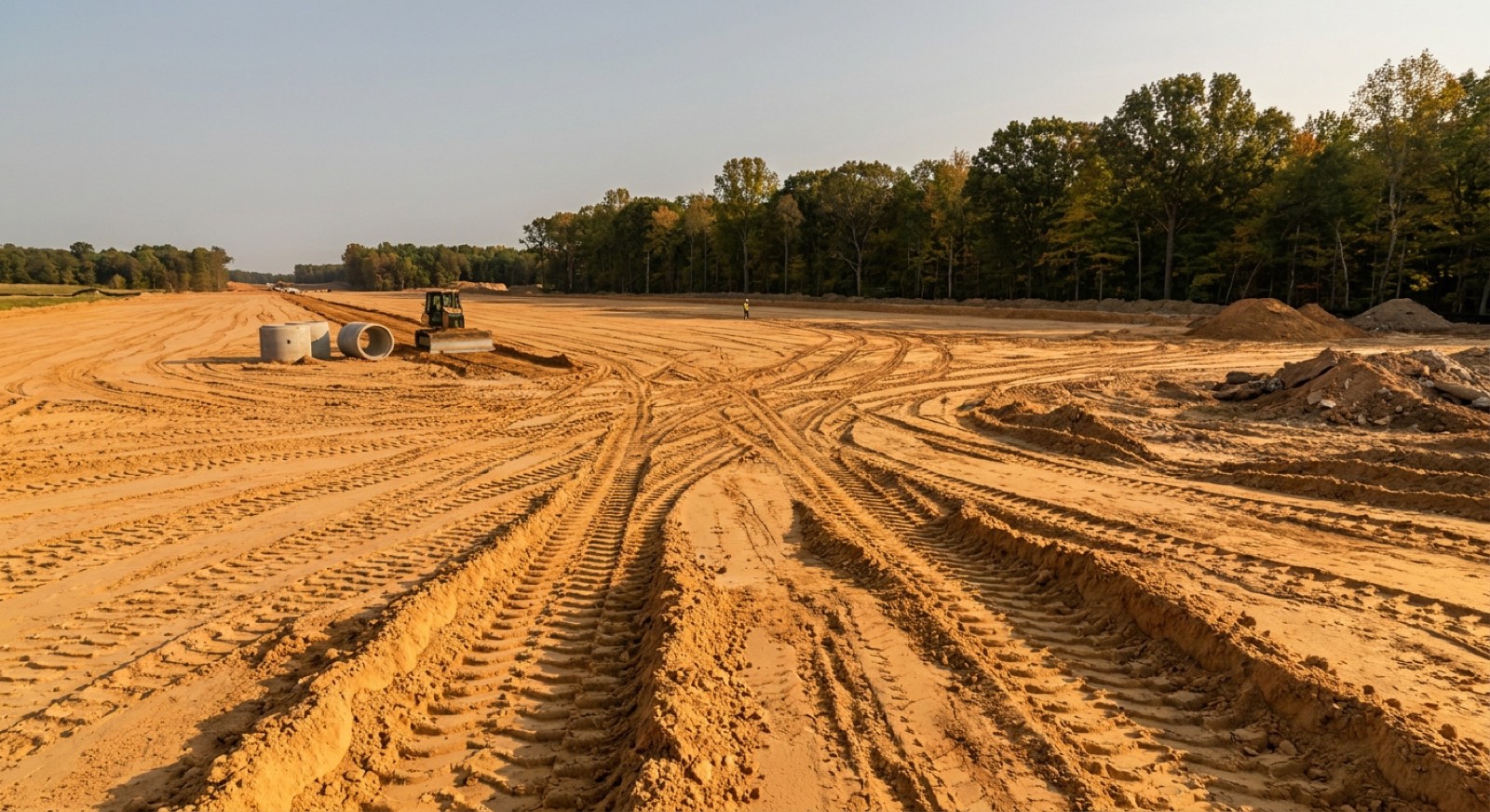
McLean Demolition works regularly throughout Woodbridge and eastern Prince William County. Here are the neighborhoods where we most frequently complete demolition, interior demo, commercial demo, and excavation projects.
Dale City is one of Northern Virginia's largest planned communities, with thousands of homes built from 1961 through the early 1980s along the Neabsco Creek watershed. Interior demolition and residential teardowns in Dale City routinely involve ACM assessment and abatement before structural work can begin.
Lake Ridge is a large HOA community along the Occoquan Reservoir with homes from the 1970s through 1990s. Lake Ridge Community Association approval is required before any Prince William County demolition permit is filed, and McLean Demolition handles all HOA documentation for Lake Ridge projects.
The Potomac Mills retail corridor includes commercial properties along Prince William Parkway and I-95 that generate commercial demolition demand as retail reconfigures and redevelops. McLean Demolition handles hazmat surveys, abatement coordination, and Prince William County commercial permits for all Potomac Mills area commercial demo work.
The Occoquan area of Woodbridge near the historic town and reservoir includes some of the most challenging soil conditions in the region, with Potomac Formation marine clays at shallow depth near the water. Excavation work in this area requires dewatering planning and specialized equipment selection.
Belmont Bay is a newer mixed-use waterfront community in Woodbridge along the Occoquan River with townhomes and condominiums from the 2000s. Interior demolition for renovation and selective demo for unit reconfigurations are the primary service categories in Belmont Bay.
Marumsco is an established Woodbridge community with older single-family homes and commercial properties along Route 1. Interior demolition and concrete removal are common service requests from Marumsco homeowners modernizing original construction from the 1960s and 1970s.
Neabsco is an area of Woodbridge along Neabsco Creek with 1970s and 1980s residential development. Residential demolition projects in lower Neabsco require attention to marine clay soil conditions that are common throughout the Neabsco Creek drainage corridor.
Rippon Landing is a large residential community in Woodbridge with homes from the 1980s and 1990s adjacent to the Rippon VRE station. Interior demolition for kitchen and bath renovations is an active service category as Rippon Landing homeowners update homes now approaching 30 to 40 years of age.